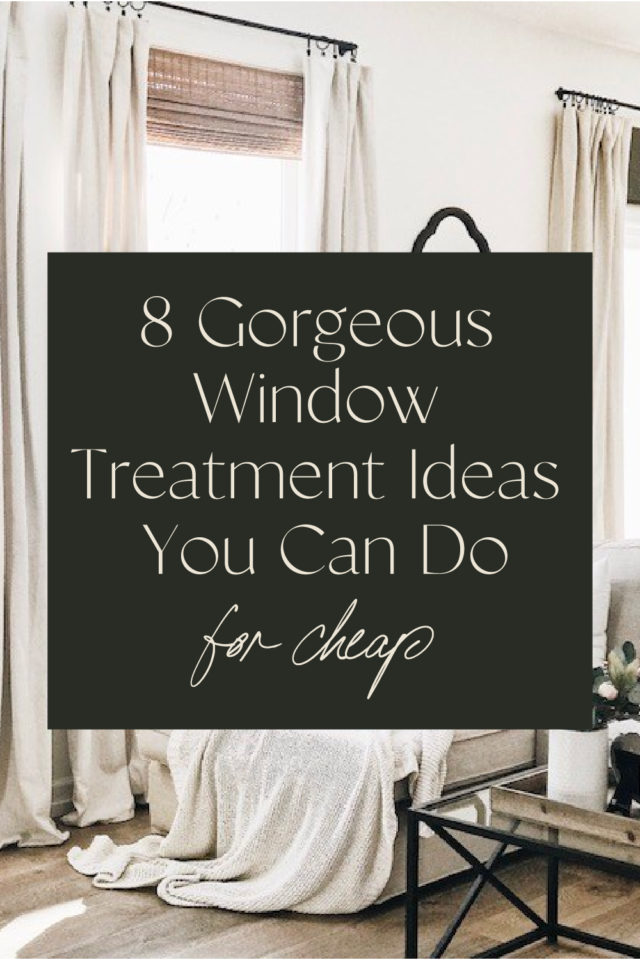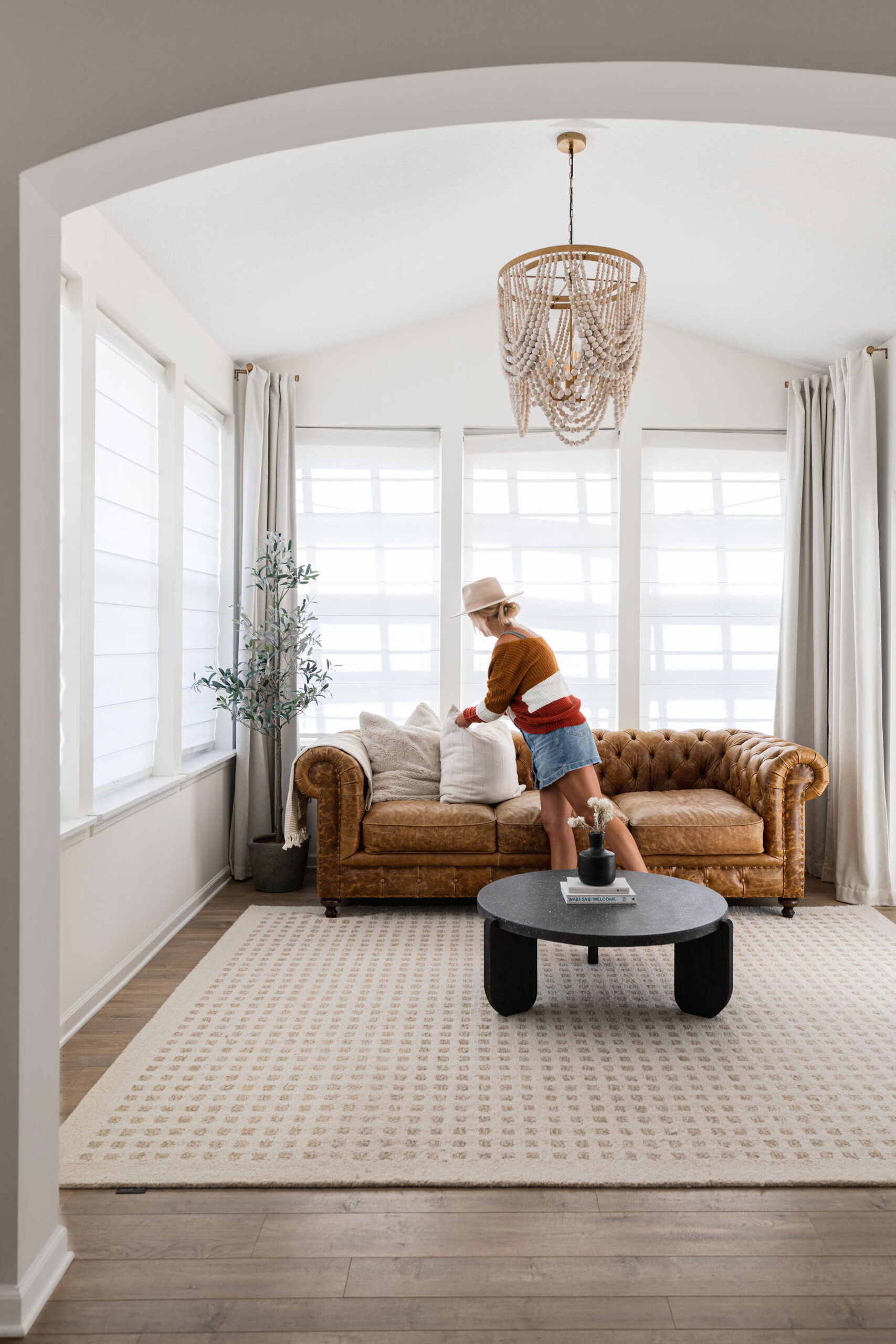
8 Gorgeous Window Treatment Ideas You Can Do For Cheap

a woman standing on a couch | mn home designer, construction2style

Spread the love.

Good window treatments can completely change the feel of a room without a coat of paint or a furniture swap. They control light, add warmth, create privacy, and frame your windows in a way that pulls a space together. The problem is that custom window coverings often cost thousands of dollars once you factor in fabric, hardware, and installation.

The good news is that you do not need a custom budget to get a polished, intentional look. These eight window treatment ideas use affordable finds and a few designer tricks to maximize impact. We have used all of them in real projects and in our own home.

1. Ready Made Curtains with Elevated Hardware

Ready Made curtains are one of the easiest ways to transform a room, and they’re far more affordable than custom panels. Big-box stores, online retailers, and even discount outlets carry an impressive range of fabrics, colors, and lengths that can mimic a custom look when styled properly. The key is to focus less on the curtain itself and more on how it’s presented in the space.

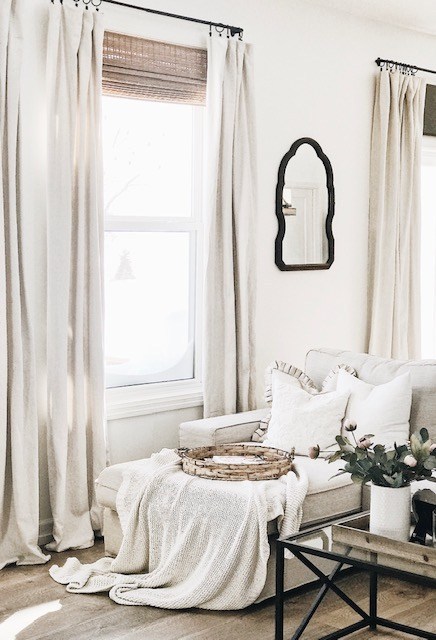
One of the best tricks to making budget curtains look elevated is investing in upgraded hardware. Instead of using thin, flimsy rods or the basic sets that often come with panels, choose sturdy, well-designed rods in finishes like matte black, brass, or brushed nickel. Add decorative finials or rings for an extra touch of style. Hardware is the jewelry of your window treatment. it’s a small detail that makes an outsized impact.

Finally, pay attention to placement. Hanging your rod closer to the ceiling (instead of right above the window frame) and extending it beyond the sides of the window instantly makes the entire room feel taller and more open. This trick, combined with fuller panels that just touch the floor, creates the illusion of custom drapery at a fraction of the cost.

2. Roller Shades That Mimic Custom

Roller shades have evolved far beyond the plastic, utilitarian versions of the past. Today, you can find affordable roller shades in fabrics that look like linen, cotton, or even woven textures, all of which provide a soft, designer feel. They’re sleek, minimal, and easy to operate, making them one of the most versatile budget friendly options.

When selecting roller shades, focus on both function and style. Cordless designs not only look more modern but also improve safety for children and pets. Neutral fabrics provide a timeless base that works in any room, while textured or patterned shades add visual interest. Even on a budget, choosing a fabric that echoes the tones of your flooring, cabinetry, or walls creates cohesion across the space.

To take roller shades from “basic” to “designer,” pair them with other treatments. Layering roller shades with long curtain panels softens the look and introduces texture, while still keeping costs low. The combination allows you to control privacy and natural light in different ways, while also making windows appear more substantial.

8 Gorgeous Window Treatment Ideas You Can Do For Cheap | construction2style

3. Sheer Panels for Softness and Privacy

Sheer curtains are one of the most affordable and effective ways to transform how light feels in your home. They filter sunlight beautifully, diffusing harsh rays into a gentle glow that makes any room feel softer and more welcoming. For open-plan living spaces or rooms that face the street, they also provide daytime privacy without blocking natural light.

To make sheers look more intentional, think about volume and layering. Single panels often look skimpy, especially on wider windows. Doubling or tripling up panels creates a fuller effect that feels luxurious, even if the fabric itself was inexpensive. Opting for floor length sheers (rather than window-length) also elevates the look and creates a sense of flow.

For maximum impact, layer sheers with heavier blackout curtains. This gives you flexibility. light and airiness during the day, privacy and darkness at night. It also adds depth to your design, creating a layered, professional look often seen in higher-end homes and hotels.

4. Woven Wood and Bamboo Shades

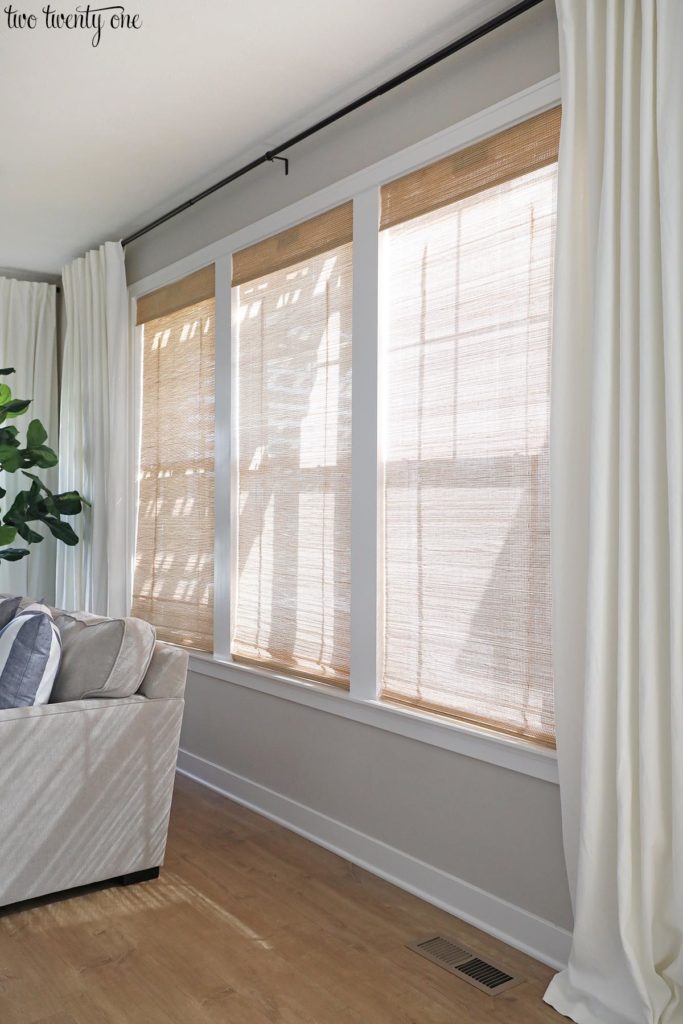
Woven wood or bamboo shades bring instant texture and warmth to a space. They’re especially effective in adding an organic, natural touch that pairs well with many styles, from coastal to modern farmhouse to contemporary. Even when purchased from affordable retailers, they look rich and timeless.

The strength of woven shades is their versatility. In living rooms, they filter light beautifully, creating a warm, dappled effect. In bedrooms, lined versions provide privacy while still maintaining the textured look. Because they come in a range of natural tones. from sandy beige to gray-wash. they’re easy to coordinate with other finishes in your home.

If you’re working with a budget, stick to neutral shades in natural fibers. They have the longest staying power and won’t feel dated as trends change. Pairing woven shades with drapery panels on the sides adds depth, warmth, and an extra layer of function while still keeping costs manageable.

8 Gorgeous Window Treatment Ideas You Can Do For Cheap

5. Layered Treatments for a Designer Look

The hallmark of high-end window design is layering. When you see designer rooms, they almost always feature more than one treatment on the window. By combining two affordable options. such as roller shades and curtains. you can replicate this custom look without the price tag.

Layering provides flexibility in both style and function. Shades offer privacy and light control, while curtains bring softness and height. You can mix different textures and materials, such as pairing neutral linen curtains with patterned blackout panels or balancing woven shades with light sheers. This mix creates depth and visual interest that single treatments can’t achieve.

From a design-build perspective, layered window treatments are also practical. They allow you to adapt a room to different times of day and different activities. For example, a living room can feel airy during the day with sheers pulled across, but cozy at night with heavier panels closed. This adaptability makes layered treatments one of the best investments for homeowners on a budget.

window treatments | blinds vs curtains

6. Roman Shades

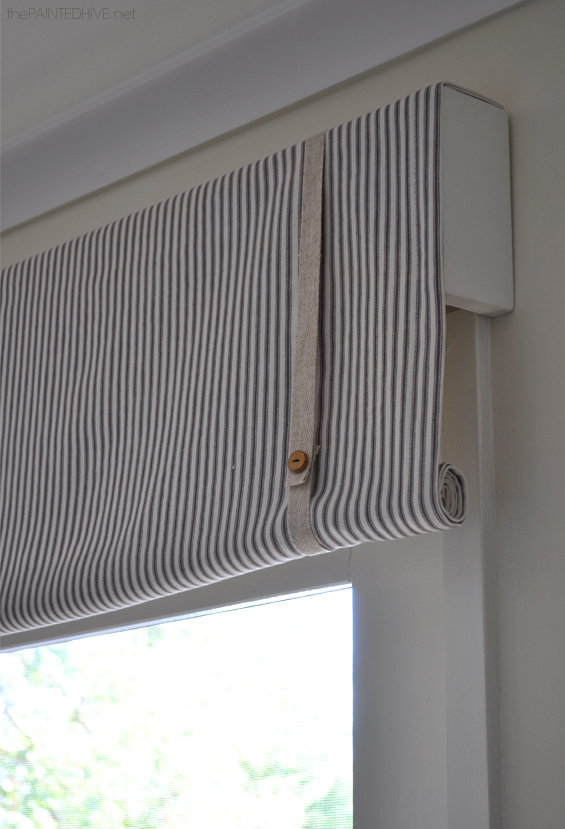
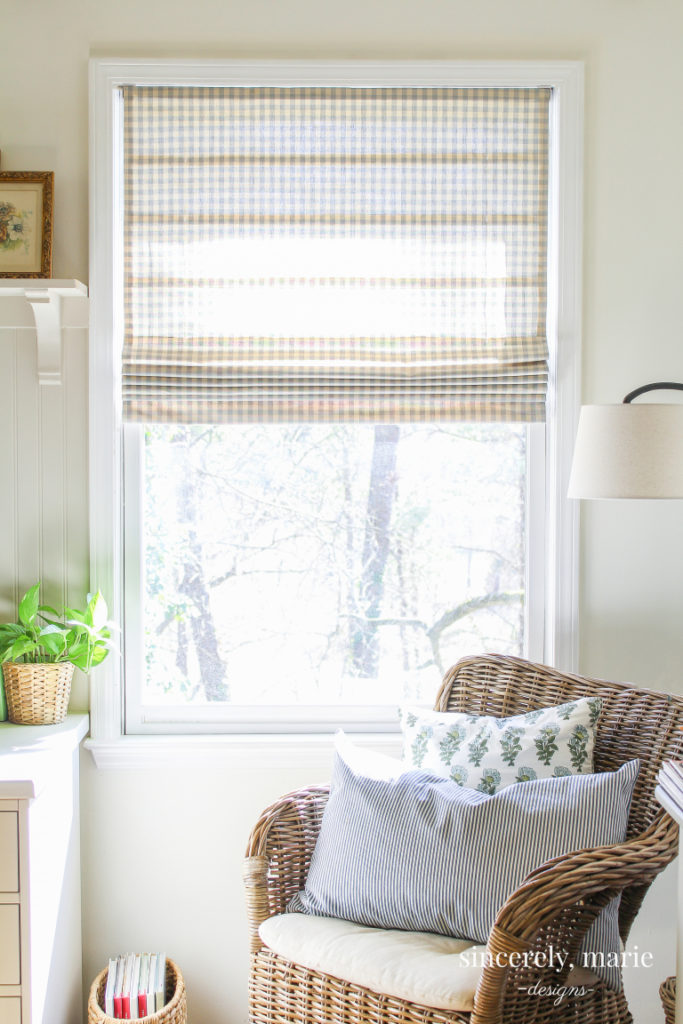
Roman shades strike a perfect balance between structured and soft. They fold neatly when raised and fall flat when lowered, giving windows a clean, tailored look. Affordable versions are widely available and can deliver the look of custom millwork without the cost.

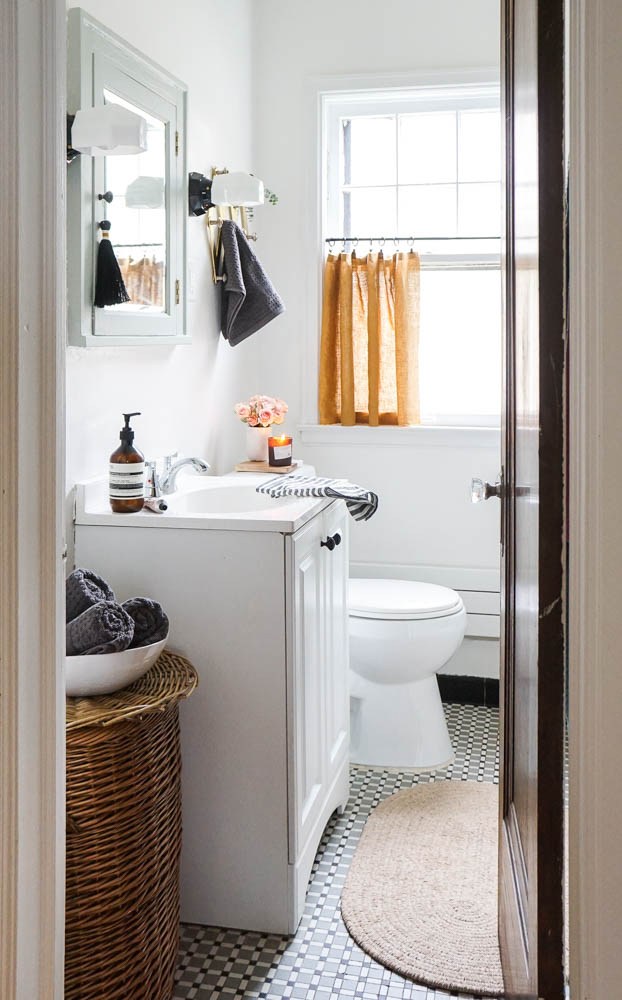
Roman shades are particularly effective in spaces where full-length curtains may not be practical, such as kitchens, bathrooms, or smaller bedrooms. They provide privacy and light control while still contributing to the design of the space. Because they’re compact, they work well for windows with limited wall space on either side.

When choosing budget friendly Roman shades, focus on fabric. Neutral tones will last longer stylistically, while patterned fabrics can inject personality without the cost of wallpaper or accent walls. For consistency, use the same style or fabric across multiple small windows in the same room. This creates cohesion and makes the space feel intentional.

7. Affordable “Custom Look” Curtain Hacks

One of the easiest ways to spot an inexpensive window treatment is by the length of the curtains. Panels that stop short of the floor immediately cheapen the look of a room. Fortunately, there are affordable ways to fix this problem.

Instead of splurging on custom sizing, purchase longer panels than you need and hem them to the exact right length. Iron-on hem tape is inexpensive, quick to apply, and makes curtains look professionally tailored. Another option is to order “extra-long” panels from budget friendly retailers, which often carry lengths up to 118 inches.

The key is to ensure curtains either skim the floor or puddle slightly. Floating several inches above the ground breaks the vertical line of the room and makes ceilings feel lower. When panels are the right length, even budget curtains take on a high-end appearance.

8. Valances and Cornices

Valances and cornices are often overlooked, but they’re a great way to add character without the cost of full drapery. A simple fabric valance can hide inexpensive hardware, add color or pattern, and draw the eye upward to make ceilings feel taller.

Cornices, which are box-like structures upholstered in fabric, offer a more architectural feel. They can be customized with affordable materials and make a big impact, especially in dining rooms or kitchens. Even budget friendly cornices can give the impression of a more expensive, custom-built element. 

a photo of a mudroom crafted by Bingham Development in Birmingham, MI featuring checkerboard floor tile and beautiful floral cornices

Photo Credit: Bingham Development

The trick with valances and cornices is to be intentional with fabric choice. Bold colors or patterns can make them a feature, while subtle, neutral fabrics help them blend seamlessly into the room. When paired with shades or blinds underneath, they add a layered, finished look without requiring the cost of full-length drapery.

How to Hang Window Treatments Like a Designer

The treatment itself is only half the equation. How you install it determines whether the whole thing looks polished or just okay. These are the rules our team follows on every project.

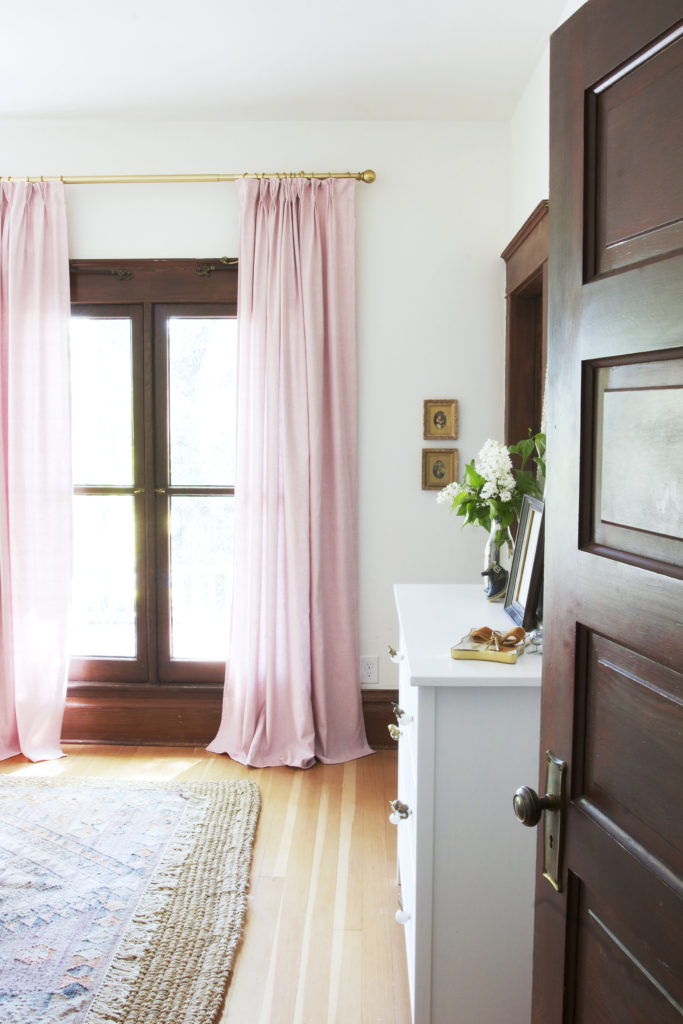
Hang the rod high and wide. Mount your curtain rod 4 to 6 inches above the window frame and extend it 6 to 12 inches beyond the frame on each side. This makes the window look larger, the ceiling feel taller, and the room feel more intentional. It is the single biggest difference between a room that looks designed and one that just has curtains in it.

Always go floor length. Curtains that hover above the floor or stop at the window sill read as an afterthought. Floor length panels that just graze the floor or have a slight break look finished and intentional. For a more relaxed, casual feel, a gentle puddle of 2 to 3 inches works beautifully.

Invest in the hardware, not the curtains. A solid, well-designed rod and finials can make affordable curtain panels look custom. Brushed brass, matte black, and unlacquered brass are all excellent choices that hold up over time and photograph beautifully.

Layer when possible. A sheer panel under a heavier drape or roller shade gives you full control over light and privacy at any time of day. It also adds visual depth and a sense of luxury that a single treatment rarely achieves on its own.

Match the rod finish to other metals in the room. The curtain hardware should coordinate with your light fixtures, cabinet hardware, and plumbing fixtures. It does not need to match exactly but should live in the same family.

Frequently Asked Questions About Window Treatments

What are the most popular window treatments right now?
Woven wood and bamboo shades, linen and Belgian flax curtain panels, and layered sheer and blackout combinations are all very popular right now. Roman shades in neutral textured fabrics are also having a big moment in kitchens and bathrooms where you want something more tailored than a curtain panel.

What is the cheapest window covering option?
Tension rods with Ready Made curtain panels are the most affordable option and can look great in casual spaces. For a more structured look, roller shades from big box retailers offer excellent value, especially when paired with decent hardware. The trick is always to spend a little more on the rod and less on the fabric.

Should curtains touch the floor?
In most rooms, yes. Floor length curtains that just graze or slightly break on the floor look the most finished and intentional. The exception is kitchens and bathrooms, where curtains that stop just below the window sill or at the apron are more practical for moisture and cleaning.

How do I make cheap curtains look expensive?
Hang them high and wide, use quality hardware, go floor length, and add a lining if the fabric is thin. A simple white cotton curtain with a weighted hem, hung on a beautiful brass rod 6 inches above the window frame, will always look more expensive than a mid-range curtain hung correctly on a builder-grade rod.

What window treatments are best for privacy without blocking light?
Sheer panels, light filtering roller shades, and top down bottom up cellular shades all let in natural light while providing a level of daytime privacy. For nighttime privacy you will need to layer with a blackout option or a heavier panel.

What is the difference between blinds and shades?
Blinds have individual slats (wood, faux wood, or aluminum) that tilt to control light and can be raised completely out of the window. Shades are made from a continuous piece of fabric or material that rolls, folds, or stacks as you raise it. Shades tend to look softer and more finished. Blinds offer more precise light control.

How high should you hang curtain rods?
As a general rule, mount the rod 4 to 6 inches above the top of the window frame. In rooms with high ceilings or if you want to make the room feel taller, you can go all the way up to the ceiling or crown molding. The wider you extend the rod beyond the frame, the more light you let in when the curtains are open.

Are Roman shades out of style?
No. Roman shades are a classic window treatment that has been around for centuries and will continue to be relevant. What has changed is the fabric and color palette. Textured linen, jute, and natural woven fabrics in warm neutrals feel very current. Stiff, formal Roman shades in heavy brocade fabrics feel dated. The style is timeless. The execution is what matters.

Share this post