5 Creative Places to Incorporate a Hidden Microwave

5 Creative Places to Incorporate a Hidden Microwave 1

Spread the love.

When it comes to kitchen appliances, there’s one we all use almost daily but secretly wish we could hide: the microwave. For years, the default spot was right above the range in a hood/microwave combo. It worked… kind of. But here’s the truth: after working with so many of our clients, we’ve realized that solution just doesn’t cut it anymore.

Why? For starters, those over-the-range microwaves don’t vent as well as a proper hood. Plus, it’s not exactly the safest spot when you’re juggling pots of boiling water or hot pans on the stove. Nobody wants to play “dodge the steam burn” just to reheat leftovers.

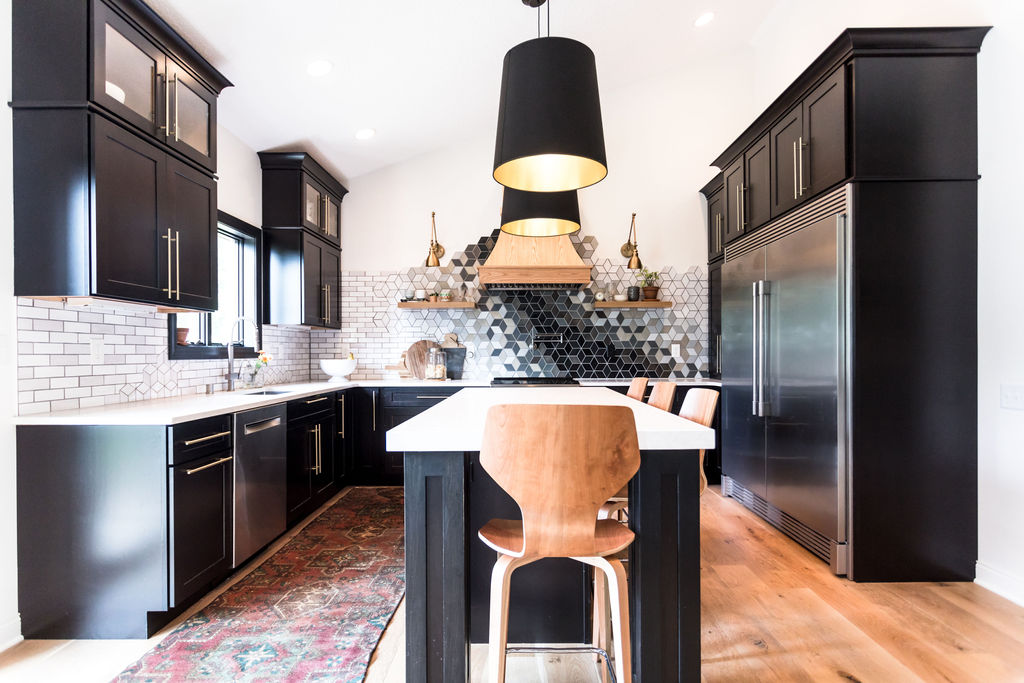
That’s why, when we design kitchens, one of the first things we think about is: where does the microwave actually belong? The goal is always the same—tuck it out of sight so it doesn’t mess with your gorgeous kitchen design, but keep it functional and accessible for your lifestyle.

Some people are all about hiding it inside cabinetry, while others want it super convenient for kids to use after school. Today, I’m sharing five of our favorite hidden microwave ideas that keep your kitchen looking streamlined without making your life harder.

Hidden Microwave in an Appliance Garage

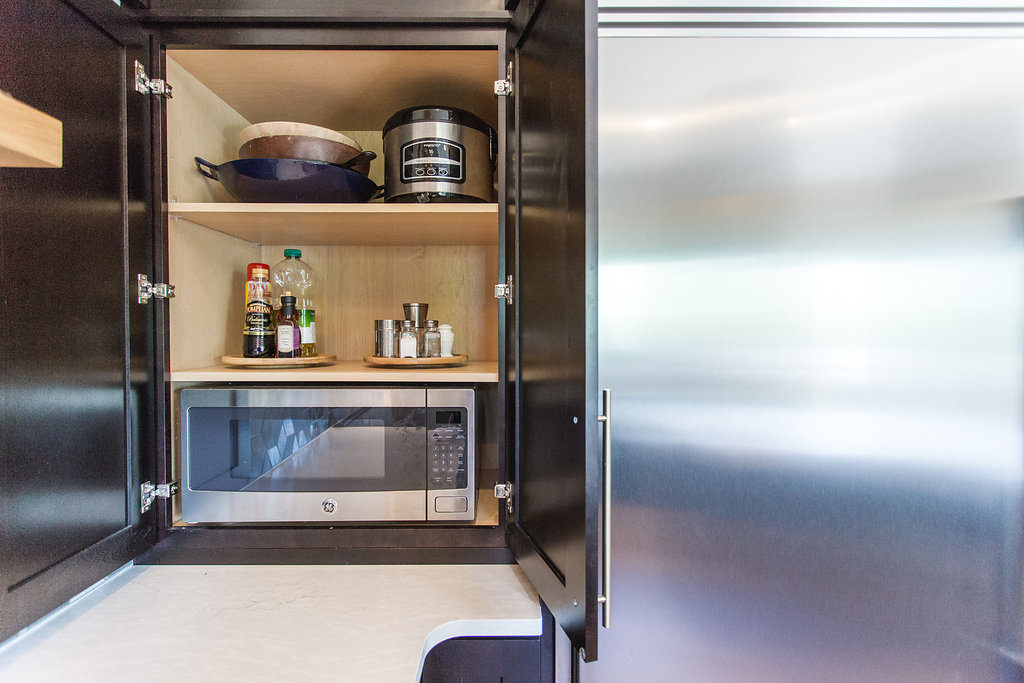
In our own kitchen, Jamie and I decided to tuck our microwave into an appliance garage – and honestly, it’s one of my favorite choices. We didn’t need a fancy, high-end microwave with all the bells and whistles. We just wanted something small, simple, and functional for reheating leftovers and making popcorn (because let’s be real, that’s 90% of what microwaves are used for).

By keeping it hidden behind a cabinet door, the look of the microwave doesn’t matter as much—so we saved money by choosing a more affordable option. The bonus? Our countertops stay clutter-free, and the kitchen still looks clean and intentional.

Cost Example: The GE microwave we used in this setup was only around $350. Proof that sometimes simple is better.

Pro tip: Appliance garages aren’t just for microwaves. You can also use them to stash your coffee maker, toaster, or blender to keep your kitchen design looking seamless.

 What to Expect During the Countertop Phase of your Project | construction2stye 

5 Creative Places to Incorporate a Microwave | construction2style

Pros of a Hidden Microwave

The main advantage of a hidden microwave is that it stays out of sight when it is not in use. This keeps the overall design of the kitchen clean and uncluttered, which is especially important in modern and open-concept spaces.

Hidden microwaves also help free up valuable counter space, since they are often integrated into cabinetry, an island, or a pantry. Because these models are typically smaller, they make room for additional storage in areas that otherwise might be wasted.

Another benefit is cost. When a microwave is concealed, there is less pressure to purchase a high-end, aesthetically coordinated appliance. A simple, functional microwave can often be used instead, reducing overall expenses while still serving its purpose.


Hidden Microwave Ideas | construction2style

Hidden Microwave Ideas | construction2style

Hidden Microwave Ideas | construction2style

Cons of a Hidden Microwave

The primary drawback is size. Most hidden microwave setups require a smaller unit in order to fit within cabinetry or drawers. This can be limiting if you frequently use your microwave for larger dishes or cook for a bigger household.

Accessibility is another consideration. If you use your microwave multiple times a day, having it positioned behind a cabinet door or in a less central location can become inconvenient. For households that rely heavily on their microwave, a more accessible placement may be a better fit.

Wooden kitchen cabinet idea | construction2style

Drawer Microwave

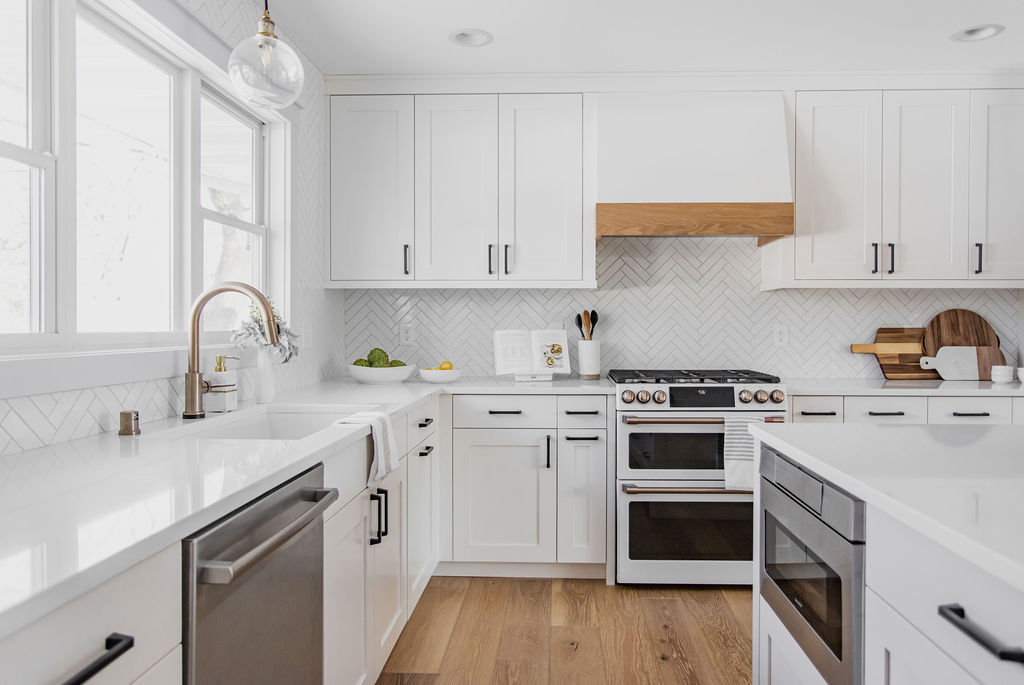
Another hidden microwave option is the microwave drawer, which opens from the top with a push button and pulls out like a drawer. This style has become increasingly popular in modern kitchen design because it keeps the appliance completely out of sight while offering easy access.

In one of our client projects with food blogger Greens & Chocolate, a microwave drawer was the perfect solution. The design allows you to place hot dishes directly into the drawer without bending down or reaching overhead, making it safer and more ergonomic than a traditional microwave. It is also a great option for families with kids, since it can be installed at a height that makes it accessible but still blends seamlessly into cabinetry or an island.

Because drawer microwaves are more complex in design and functionality, they typically come at a higher price point compared to a standard countertop model. However, many homeowners find the investment worthwhile for the convenience and clean look they provide.

Cost Example: The Sharp microwave drawer shown here is priced at a little over $1,200.

5 Creative Places to Incorporate a Microwave | construction2style

Pros

A drawer microwave is installed under the countertop, which keeps it completely out of sight and allows for a clean, modern kitchen design. By opening with the touch of a button, the drawer mechanism slides out smoothly, making it much easier to load and unload dishes compared to a traditional microwave. This is especially beneficial for heavier or hot items, since you are not lifting them overhead or bending down to awkward heights.

Many drawer microwaves also include concealed control panels that flip in or out. When the microwave is not in use, the controls remain hidden, giving the appliance a streamlined, built-in look. This feature is ideal for homeowners who want both functionality and a seamless design aesthetic.

Cons of a Drawer Microwave

The biggest drawback of a drawer microwave is cost. Because of the additional mechanisms required for the sliding drawer and advanced design, these units are typically more expensive than countertop or cabinet-style models.

Another consideration is availability. Drawer microwaves generally come in fewer sizes and models compared to standard microwaves, which may limit options if you are looking for specific features or a lower price point.

Drawer Microwave | construction2style Hidden Microwave Ideas construction2style

Hidden Microwave In The Island

We love being able to incorporate microwaves into the island whenever possible! It’s a great spot to hide this appliance, but still have it very accessible. 

For this cabin kitchen refresh, our clients got a completely new island that was designed to have optimal storage and functionality. The microwave was built into the island, but instead of a drawer function, it’s the same as if it would be on top of the counter.

It keeps it at a lower price point, but also looks higher-end incorporated into the island than just sitting on the counter. This LG counter microwave is only $220 but has a sleek and modern look.
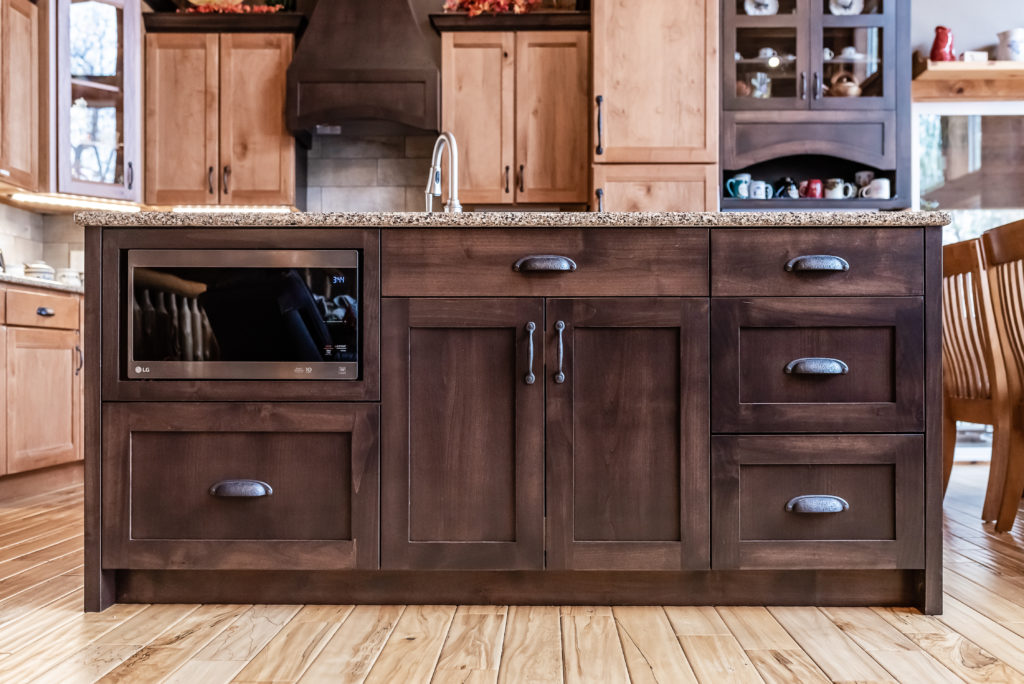
a photo of a beautiful custom white kitchen at our Savanna Drive project in Minnesota, where we were able to incorporate a microwave into the island

Pros

The great thing about having a hidden microwave in your island is that it’s below your sightline, so it doesn’t become a focal point in your kitchen. It also frees up space on the perimeter for other storage and appliances. Incorporating it into the island provides a more built-in look as well.

Cons

If you have kids, this is perfect for their height, so it may be a problem if they want to mess with it. Also, if you do not want to bend over to open the door or get your food, you may want to consider a different option.

Built-In Microwave in Cabinetry

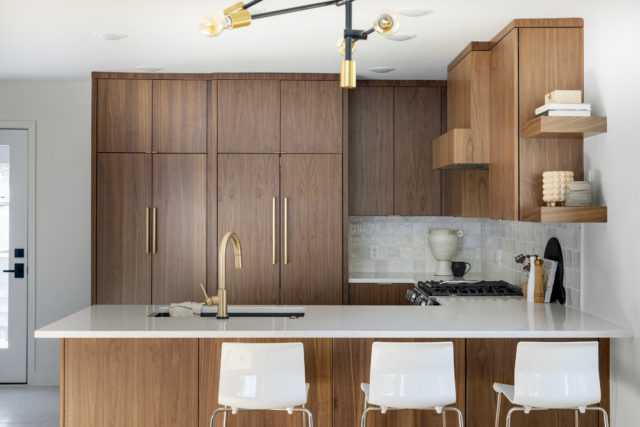
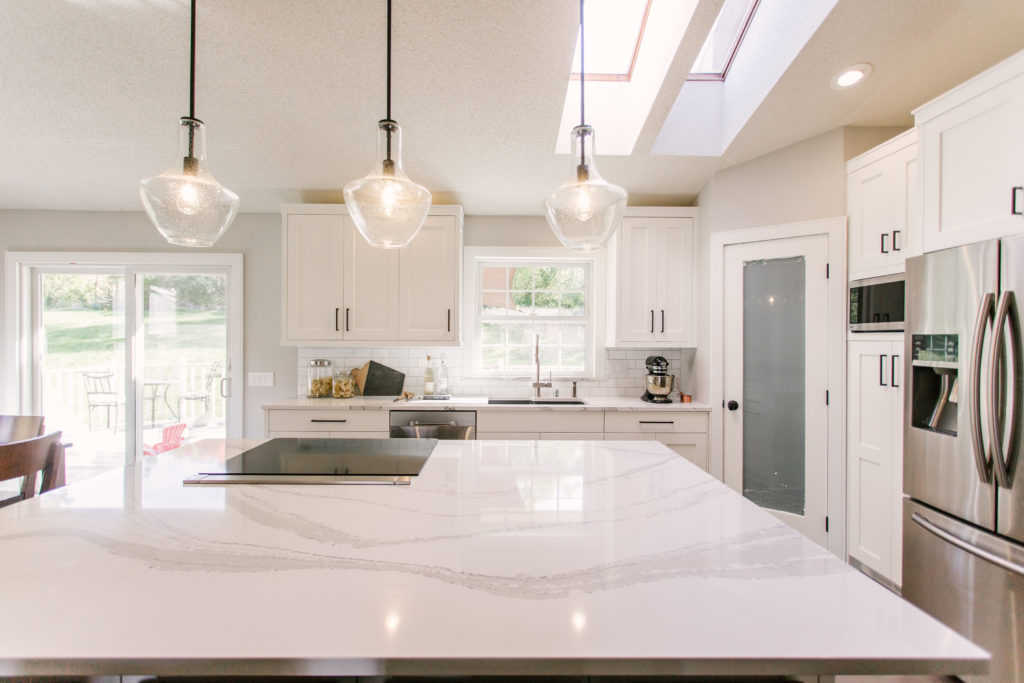
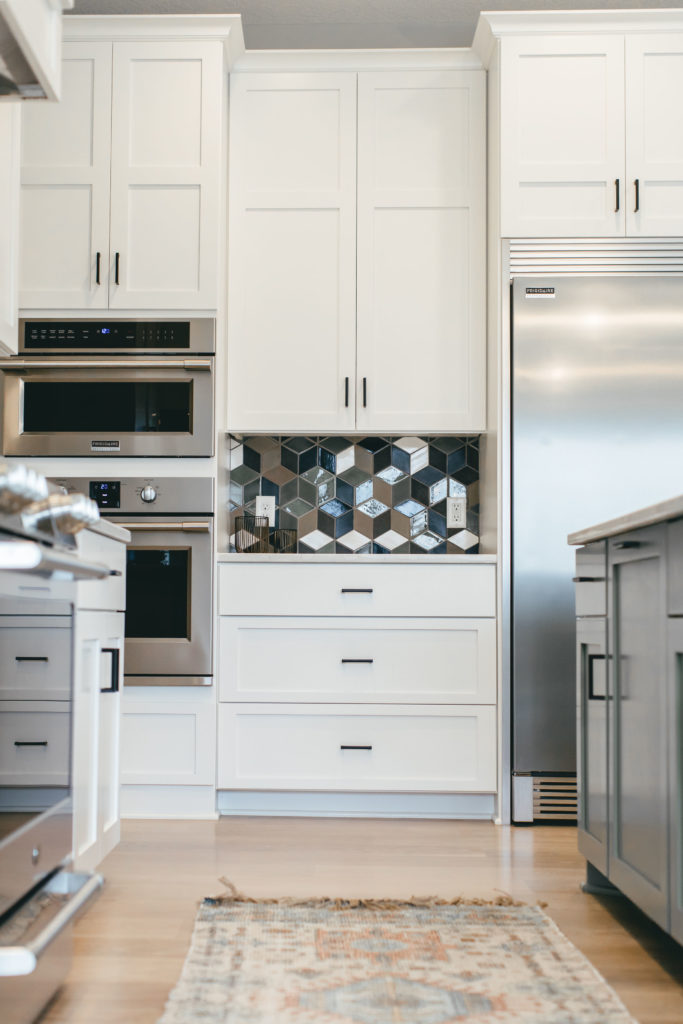
Another common approach is incorporating the microwave directly into tall cabinetry. This solution works especially well in kitchens with limited counter space because it frees up surfaces for cooking and prep while keeping appliances neatly integrated.

For one of our clients, we placed the microwave into a tall cabinet. Below it, we added a counter-level cabinet to house smaller appliances like a toaster and coffee maker. This design not only created a custom look but also made the kitchen more efficient.

Cost Example: A countertop microwave paired with a trim kit typically runs around $500.

5 Creative Places to Incorporate a Hidden Microwave 2

Pros of a Built-In Microwave

One of the main advantages of a built-in microwave is how seamlessly it integrates into the overall kitchen design. By placing the microwave in tall cabinetry, it lines up visually with other major elements such as the refrigerator or pantry, creating a consistent, custom look. This alignment adds balance to the space and eliminates the visual clutter of having appliances scattered across different sightlines.

Functionality is another significant benefit. Built-in microwaves are usually installed at chest or eye level, which makes them easy to access for most adults. This placement reduces the need to bend down or reach overhead, creating a more ergonomic solution. For families who use their microwave regularly, this can make a noticeable difference in everyday convenience.

Built-in options also allow homeowners to maximize countertop space. By incorporating smaller appliances like a toaster or coffee maker into cabinetry below the microwave, the kitchen maintains a clean, organized appearance. This approach works particularly well in kitchens with limited square footage, where every inch of counter space matters.

Finally, built-in microwaves can be paired with a wide variety of models, from basic functional units to higher-end versions with convection features. This flexibility allows homeowners to select a microwave that fits both their budget and cooking needs.

Cons of a Built-In Microwave

The most obvious drawback of a built-in microwave is that it remains visible within the cabinetry. While it is less intrusive than a countertop unit, it is not fully hidden like an appliance garage or microwave drawer. For homeowners who prefer an uninterrupted, minimalist aesthetic, this may be a compromise.

Another consideration is cost. A built-in microwave requires a trim kit in addition to the microwave itself. Trim kits are designed to fill the gaps around the unit, giving it that polished, built-in appearance. However, they add to the overall expense and must be purchased to match the size and model of the microwave.

Installation is also more involved compared to simply placing a microwave on the counter. Cabinetry needs to be designed or modified to accommodate the appliance, which may not be feasible in every kitchen layout. Finally, while the height is generally convenient for adults, it can be less accessible for younger children, limiting its usability depending on the household.

5 Creative Places to Incorporate a Hidden Microwave 3

Oven and Microwave Combination

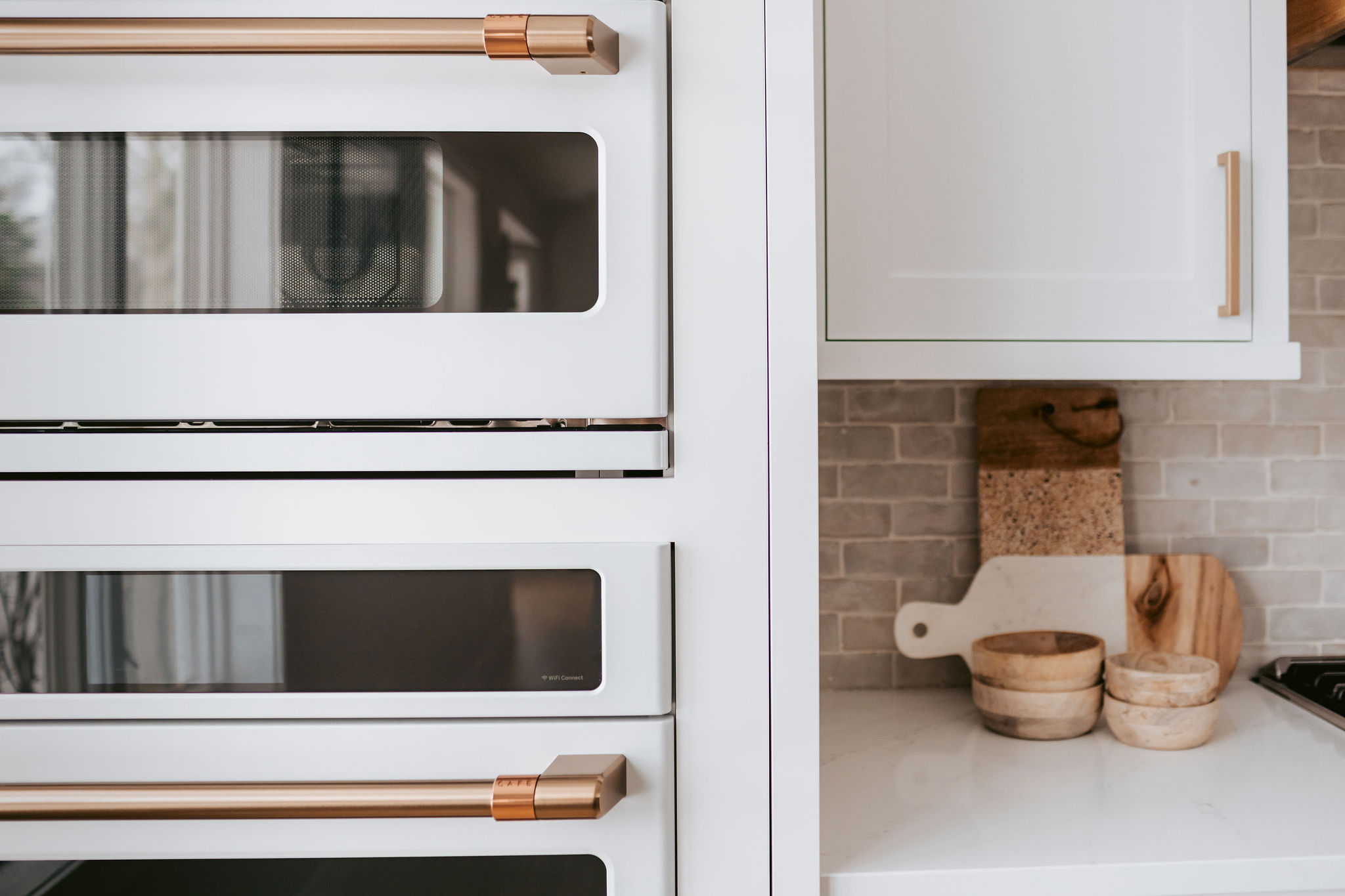
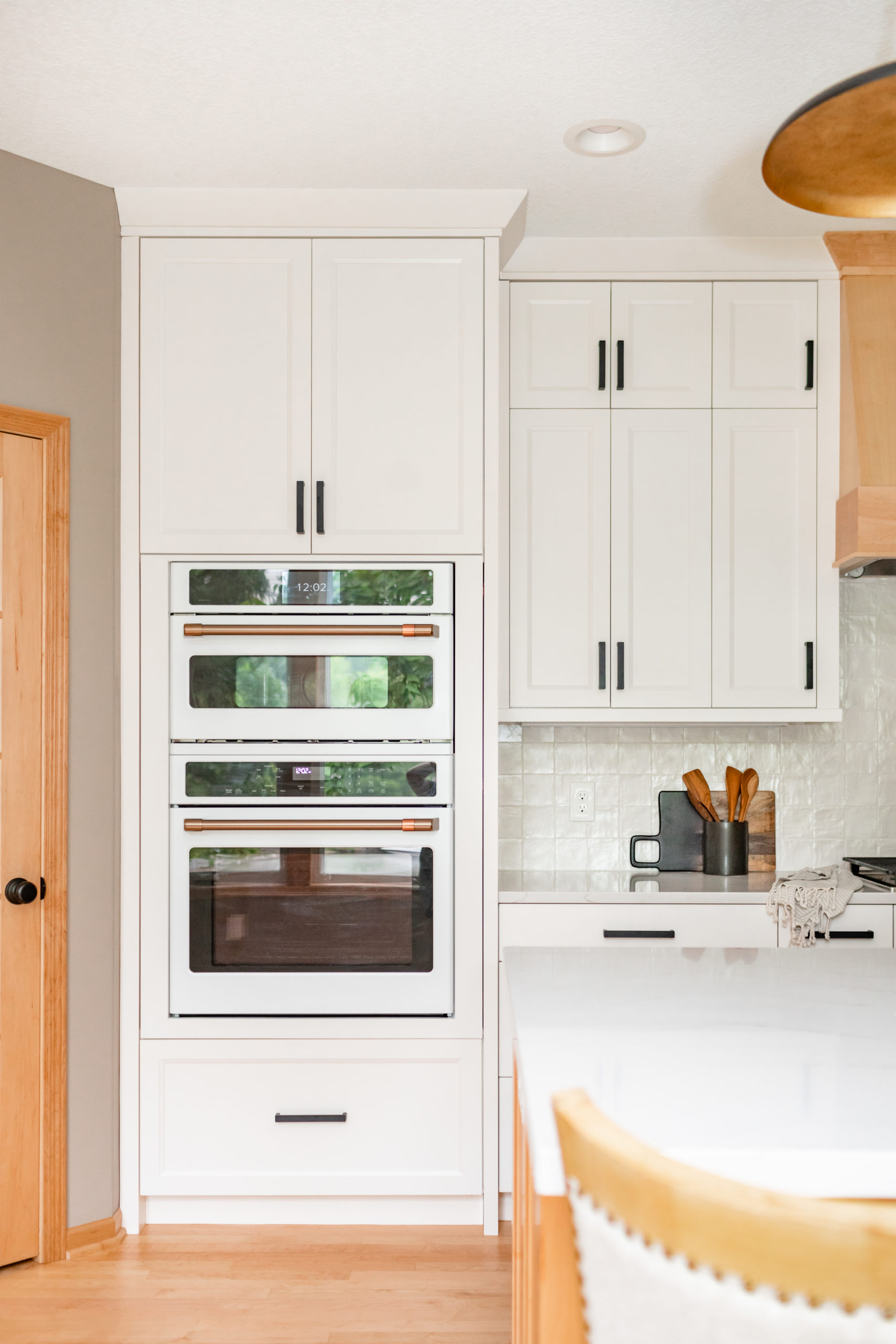
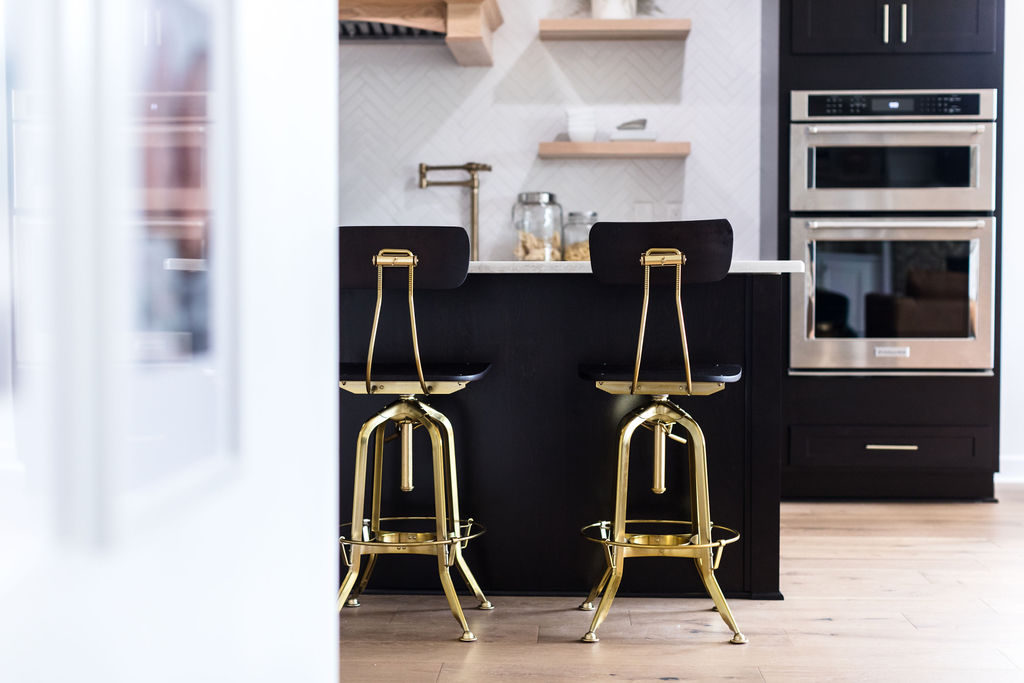
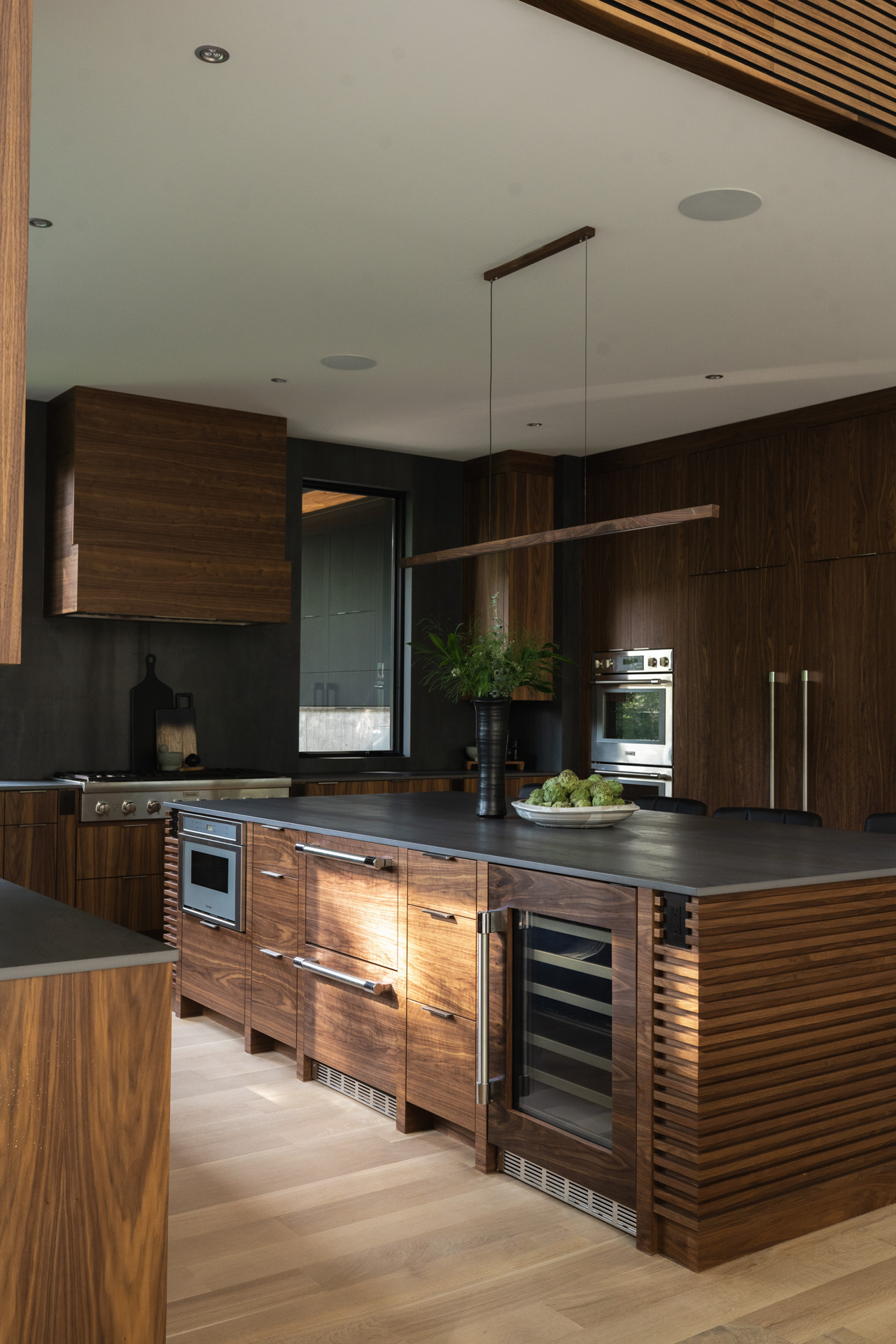
For homeowners who want a luxury, built-in look, an oven and microwave combination unit is an excellent choice. These setups are typically installed together within tall cabinetry, creating a seamless and custom appearance that integrates beautifully with other appliances.

This solution works especially well in kitchens where the cooktop is located on an island or a separate wall. By pairing the oven and microwave together, you create one dedicated cooking zone while keeping the rest of the kitchen streamlined.

Another advantage of oven and microwave combos is the additional functionality they often provide. Many models include convection capabilities, which allow the microwave to serve as a secondary oven. This feature gives homeowners more flexibility for baking, roasting, and cooking multiple dishes at once – something particularly valuable for larger families or frequent entertainers.

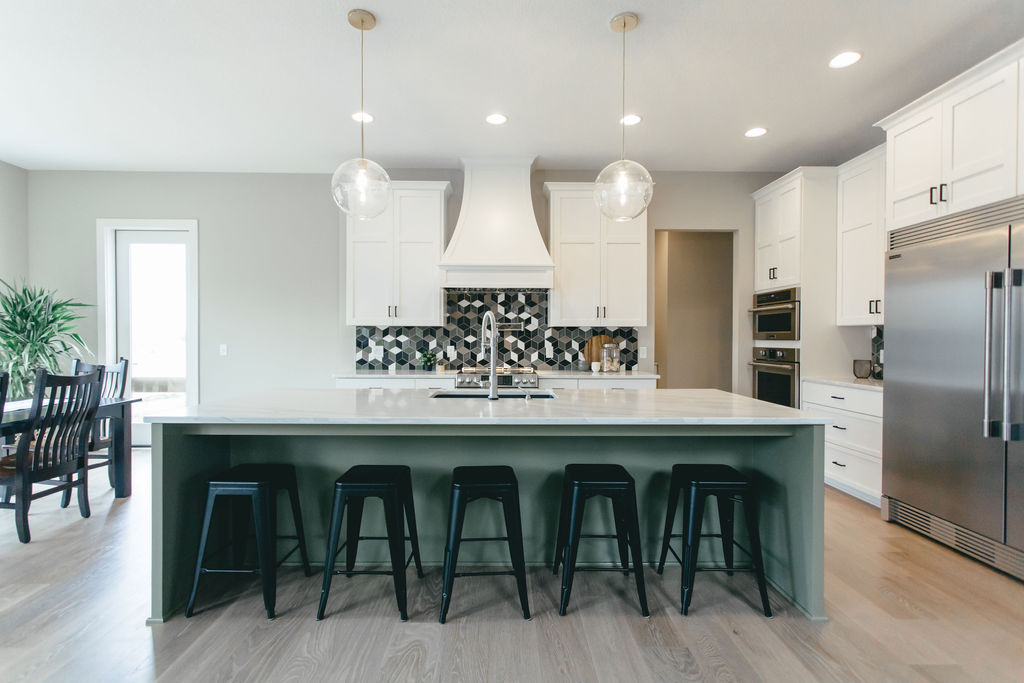
In one of our main level remodels, our clients selected an induction cooktop for their island and chose a KitchenAid microwave/oven combination for the end cabinet. The result was both highly functional and visually stunning, providing the clean, built-in aesthetic they wanted while adding versatile cooking features.

5 Creative Places to Incorporate a Hidden Microwave 4

5 Creative Places to Incorporate a Microwave | construction2style 

Cost Example: A KitchenAid microwave/oven combination typically costs around $2,800, which includes both the oven and microwave.

Pros of an Oven and Microwave Combination

One of the biggest advantages of an oven/microwave combination is its high-end, built-in appearance. Installing both appliances together in tall cabinetry creates a seamless look that instantly elevates the overall design of the kitchen. It helps maintain a clean, uninterrupted line of cabinetry, which is especially desirable in modern and transitional spaces.

From a functionality perspective, these units often go beyond standard microwaving. Many combination models include convection features, which allow the microwave to act as a second oven. This can be a major advantage for families who cook frequently, entertain often, or need extra oven capacity during holidays. Having a second convection-capable appliance gives you flexibility to roast, bake, or warm dishes without competing for space in the main oven.

There is also the ergonomic benefit of placement. Unlike over-the-range microwaves, the oven/microwave combo is usually installed at a comfortable height within cabinetry. This eliminates the need to reach over hot stovetops or bend down to awkward levels, making it safer and more convenient for everyday use.

Finally, combining the two appliances into a single stacked configuration can maximize space efficiency, particularly in kitchens with large islands or separate cooktop arrangements. It creates a dedicated cooking zone and frees up room for additional storage or counter space elsewhere.

Cons of an Oven and Microwave Combination

The main drawback is cost. Combination units are significantly more expensive than purchasing a standard microwave or even a microwave drawer. At roughly $2,500–$3,500 depending on the brand and features, they require a higher investment.

Another consideration is space requirements. Because the oven and microwave are paired together, the design requires tall cabinetry and a layout that can accommodate this configuration. Smaller kitchens may not have the room to integrate a combo unit without sacrificing other important elements.

There is also the question of replacement and maintenance. If one part of the unit fails, repairs can be more complicated, and in some cases, the entire unit may need to be replaced rather than just one appliance. This can add to long-term costs compared to independent appliances.

Finally, while the convection microwave offers versatility, some homeowners find the learning curve for advanced features a little steep. If you primarily use your microwave for reheating, the added functions may not be fully utilized, which means you are paying for capabilities that go unused.

5 Creative Places to Incorporate a Microwave | construction2style

Electrical and Installation Considerations

Before deciding where your microwave will live, it’s important to think through the technical requirements. Appliance garages often require a dedicated outlet installed inside the cabinet. Drawer and built-in models need precise cut-outs and clearances to fit properly and operate safely. And while over-the-range microwaves offer some venting, they are not as effective as a dedicated hood system, which should be factored into your overall kitchen design.

Always work with your contractor or electrician to ensure outlets, ventilation, and cabinetry are planned from the start. Retrofitting later can add unnecessary costs and delays.

Hidden Microwave Ideas | construction2style

Choosing the Right Microwave for Your Lifestyle

Microwave placement is not one-size-fits-all—it should reflect how your household actually uses the kitchen.

  • Families with kids may benefit from lower placement like an island or drawer for easy access (or avoid it entirely if you don’t want little ones pressing buttons).
  • Entertainers often prefer the oven/microwave combo for its convection features and ability to serve as a second oven during large gatherings.
  • Small kitchens can maximize space with cabinetry integration or an appliance garage to keep counters clear.
  • Design-focused homeowners may lean toward drawer microwaves or combos, which disappear seamlessly into cabinetry for a streamlined, high-end look.

Which Hidden Microwave is Right for You?

At the end of the day, the best microwave placement depends on three things: your kitchen layout, your budget, and your lifestyle.

  • If affordability is your priority, go with an appliance garage or island installation.
  • If safety and accessibility matter most, a drawer microwave is worth the investment.
  • If you’re designing for a high-end, seamless kitchen, the oven/microwave combination gives you both style and function.

No matter which option you choose, remember that your microwave doesn’t have to be the design obstacle it once was. With thoughtful planning, it can disappear into your kitchen layout—leaving you with a space that is both functional and beautiful.

Share this post

3 thoughts on “5 Creative Places to Incorporate a Hidden Microwave

  1. But you did not mention that you could put in in the pantry ! Just install an out key and it hidden and easy to access . Problem solved

Comments are closed.