In this blog post, I would like to discuss main window treatment options and look closely at the pros and cons of blinds vs. curtains.
Window Treatments and Their Purpose
My great grandma, who I was named after, was born in 1925 and lived in one of the Kyiv suburbs. She got married right after World War II started. She mostly had starched linen white curtains, they looked crisp and flawless. They were not moved by wind and held their shape very well.
Some of her curtains had traditional Ukrainian embroidery while the kitchen ones had that luxury lace edge trim. They wonderfully framed her windows and added a character to her village home. So when I think of curtains, I think of my great grandma, I think of beauty, finishing touches, style and decor.
A clear understanding of the differences between curtains and blinds and their functionality will help you determine what will be suitable for your home, bedroom, or newly remodeled laundry room.
Your need for light control, insulation, privacy, and your style and budget will all have a say in your decision.
Last September, Noah and I toured a couple of beautiful houses that participated in the parade of homes; we were fascinated by those spaces and what they could offer to their owners. These homes were freshly built, fully furnished to the nines, but no one was living there yet, and to our biggest surprise, there were no blinds or curtains in any of them.
That is because window treatments are a key finishing component of the room design process in terms of style, and as you know, they also control the amount of light that enters a space. So they are not there just for decor; they absolutely and undeniably add function, dimension, and form to every space, a character.
Blinds vs Curtains
I am sure you could find more deciding factors, but I want to share my seven main characteristics to consider before making your call on blinds vs curtains.
1. Personal Preference
What is your lifestyle, and how do you tend to use your home? How did you grow up? Are you living in the country or the city? What is your style?
What was important to your parents when they decorated your childhood home? Is your spouse interested in helping you make home styling decisions?
Where do you both land?
Most of you know that I grew up in Ukraine. It may surprise you, but I vividly remember that people used to layer dark and thick drapes over white floral lace sheer curtains in the late nineties.
That approach added unique dressiness and followed the baroque theater style to a certain extent. But, thankfully, it appeared to be much tamer in people’s homes.
2. Cost
Decide on your budget or what you would be comfortable spending on each window. Is it your forever home, or will you rent it for the next five years?
3. Longevity
Window treatment is an investment; regardless of your decision, blinds or curtains will last you a while. Blinds are usually made of aluminum, wood, vinyl, or bamboo; if well taken care of, they should outlast your silk, linen, or cotton curtains that will require regular dry cleaning, taking down and putting back up.
Unlike curtains, blinds do not need to come off to be properly cleaned.
4. Light Control
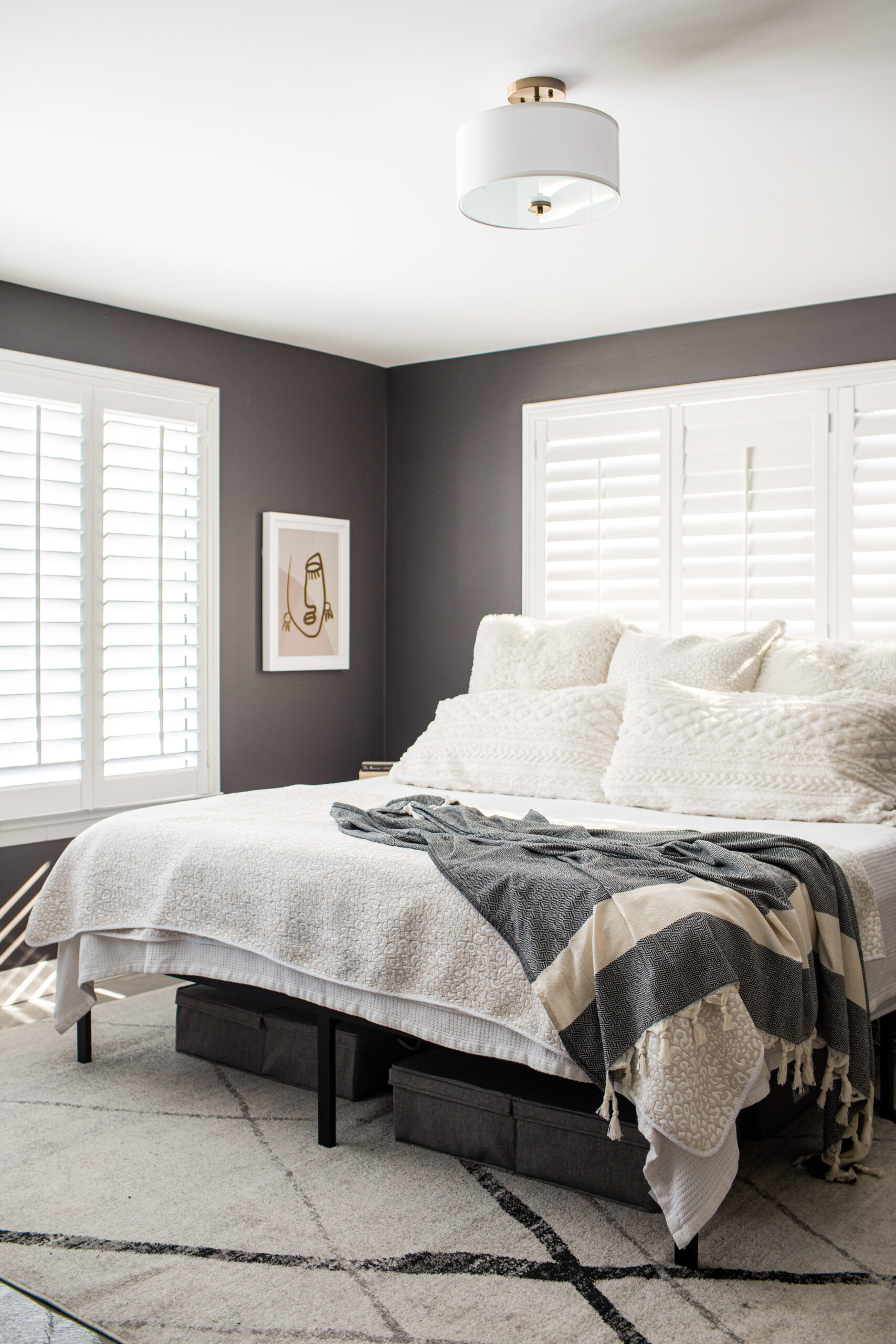
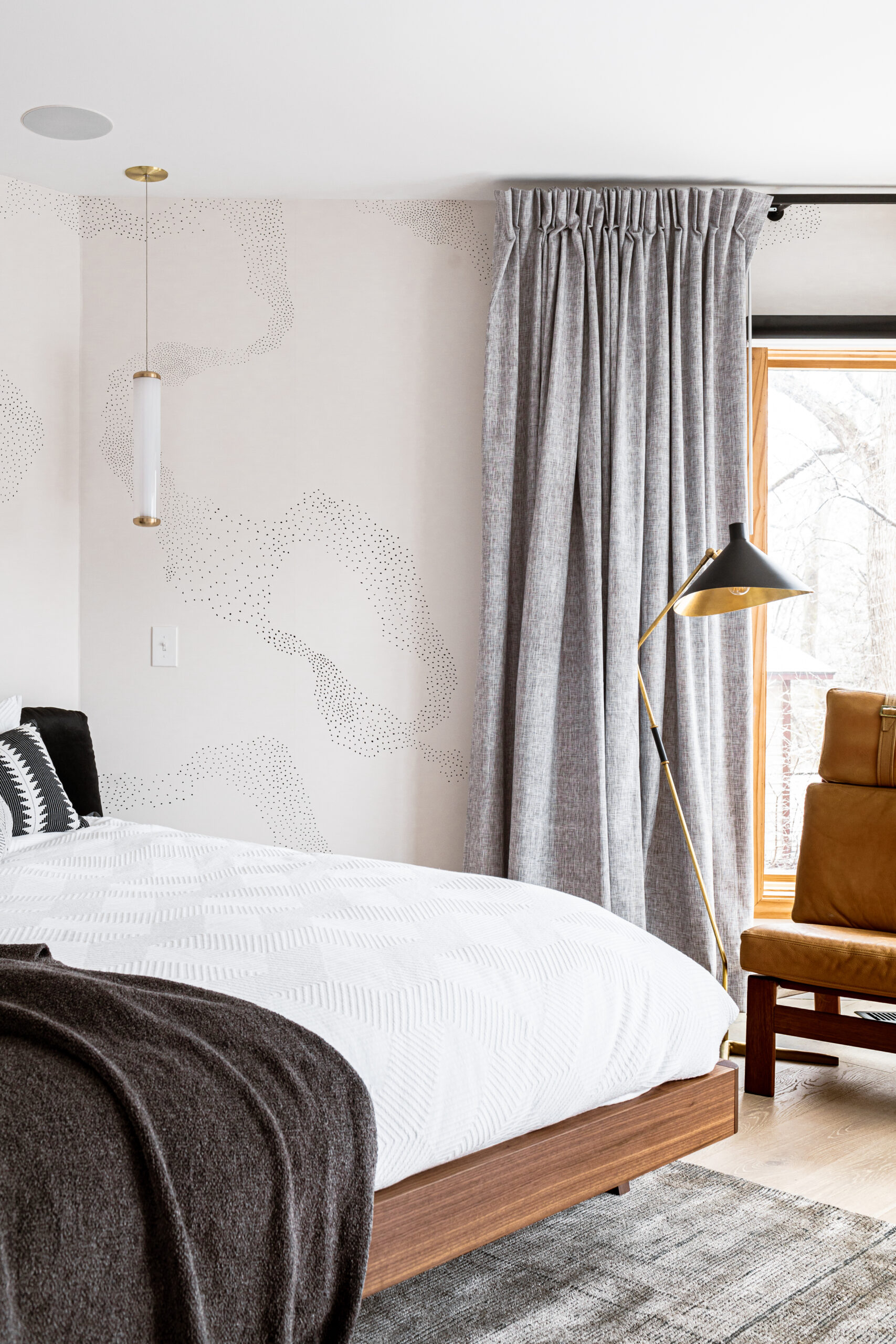
With blinds, you will be able to manage and regulate the amount of light that is coming into your room. However, even if your blinds are fully closed, you will still see some light entering, whereas curtains will provide more protection.
5. Installation Time
Blinds are rather non-complicated to install once purchased or delivered. The process won’t differ for roller blinds, shades or vertical blinds accordingly.
You will need a drill, a ladder, and a level.
As far as curtains, their installation will require more time, and they will be pricier. You would start with leveling brackets above the window, sliding the panels on the rod and hanging the rod on the bracket and finish with styling and properly draping your curtains.
6. Maintenance and Upkeep
Blinds are very easy to clean. Dust usually doesn’t get very stubborn; simple vinegar and water will work magic on your blinds.
Curtains should either be dry-cleaned or, if washed, they need to be left to dry naturally. Tumble drying will damage the fabric and could cause them to lose their initial shape.
Some people choose to protect the curtains from sunlight to prevent fading and discoloration; in that case, you need to consider layering curtains over blinds or shades.
As someone who grew up with only curtains, let me be the first to tell you how high maintenance they can be.
My mom would wash and starch those white lace sheer curtains and had me put them back up in the living room and kitchen. Guess what, there were no evenly spaced holes in those curtains.
We used stainless steel clothespins that I had to perfectly space out on my own while standing on the high chair. More times than not, I had to face a do-over, start with the sides and then visually divide the curtain in half to clip the exact middle and continue clipping using the same method.
That process alone should have discouraged me from wishing for curtains in my house, but I still love them. It might just be in my blood.
7. Sound Control and Insulation
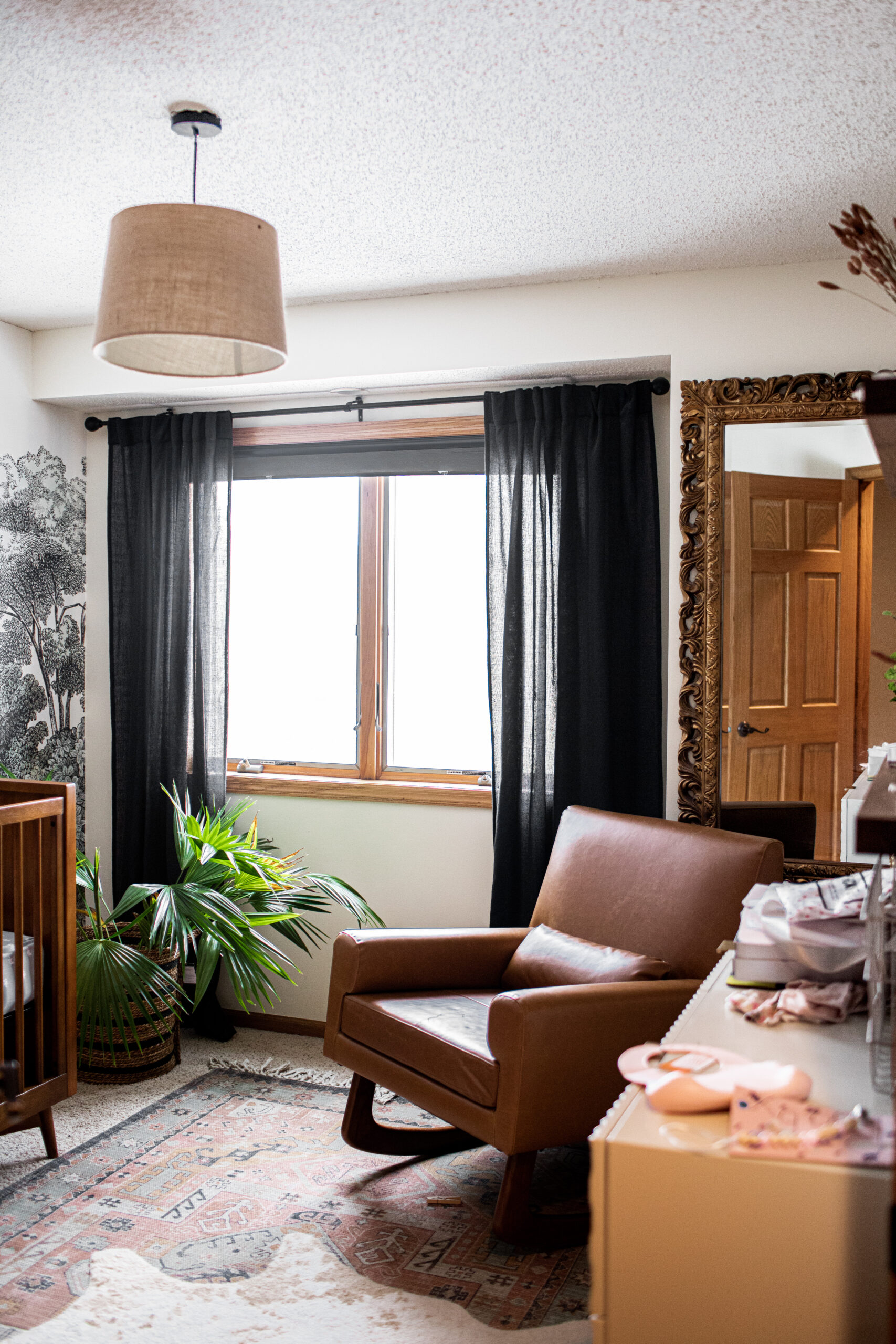
Are you deciding on some window treatments for your nursery, or is it your toddler’s bedroom? Some kids sleep well with lights on and can tolerate a lot of noise even if it’s not white, while others need it to be as dark as possible.
Both curtains and blinds will keep your space warmer. Blinds, however, have slats that leak heat, while curtains don’t.
Curtain Calls
Full-length multi-panel curtains are best for sizable rooms (like your living room, sitting room, or dining room), while blinds are an excellent option for more modest spaces.
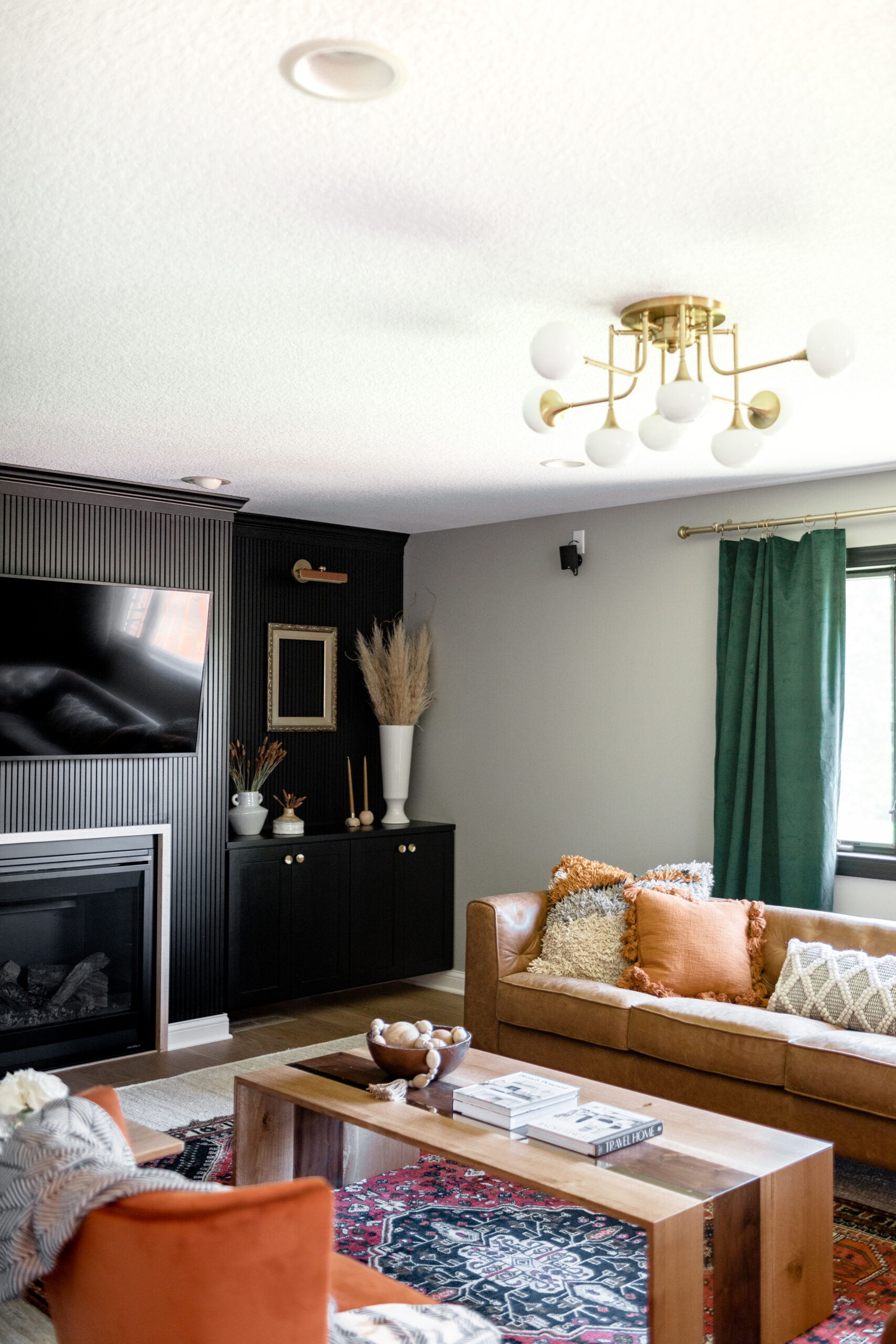
Curtains are all about: the quality of the textile, layering, and dimension. Some are romantically draped over the curtain rod so that the middle hangs down in front of the rod.
Others simply consist of 2 or more panels, creating ruffles or cascading layers of fabric. I always remember curtains when I go to people’s homes.
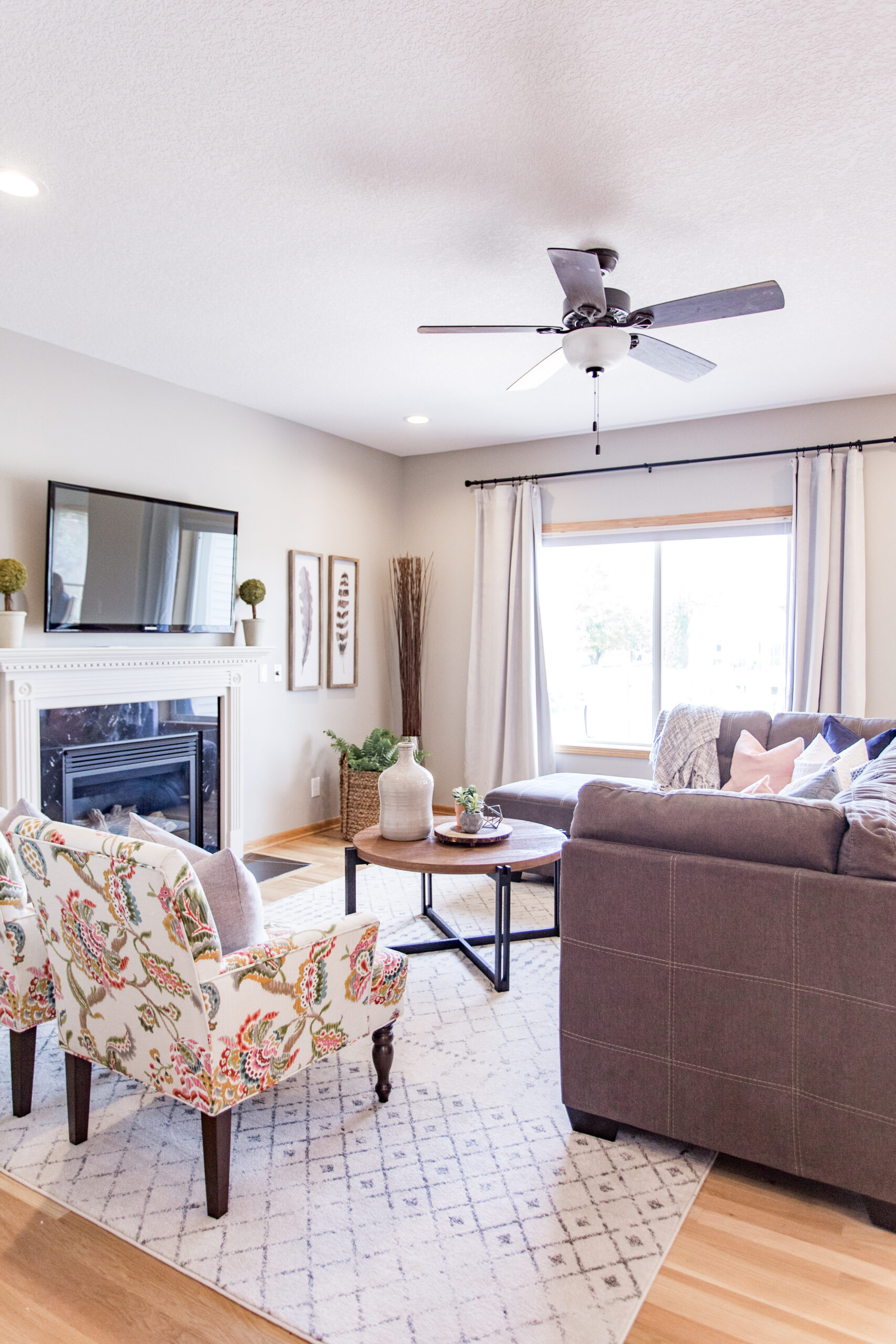
Their color, fabric, length, the finishing touch they add so effortlessly and intentionally all at the same time. Most curtains are designed to block and absorb unwanted sounds.
They minimize outside noises and reduce echo inside your room. Most curtains need to be custom-made or tailored which adds some additional cost.
I wish I weren’t biased, but I absolutely love curtains.
Blinds and Functionality
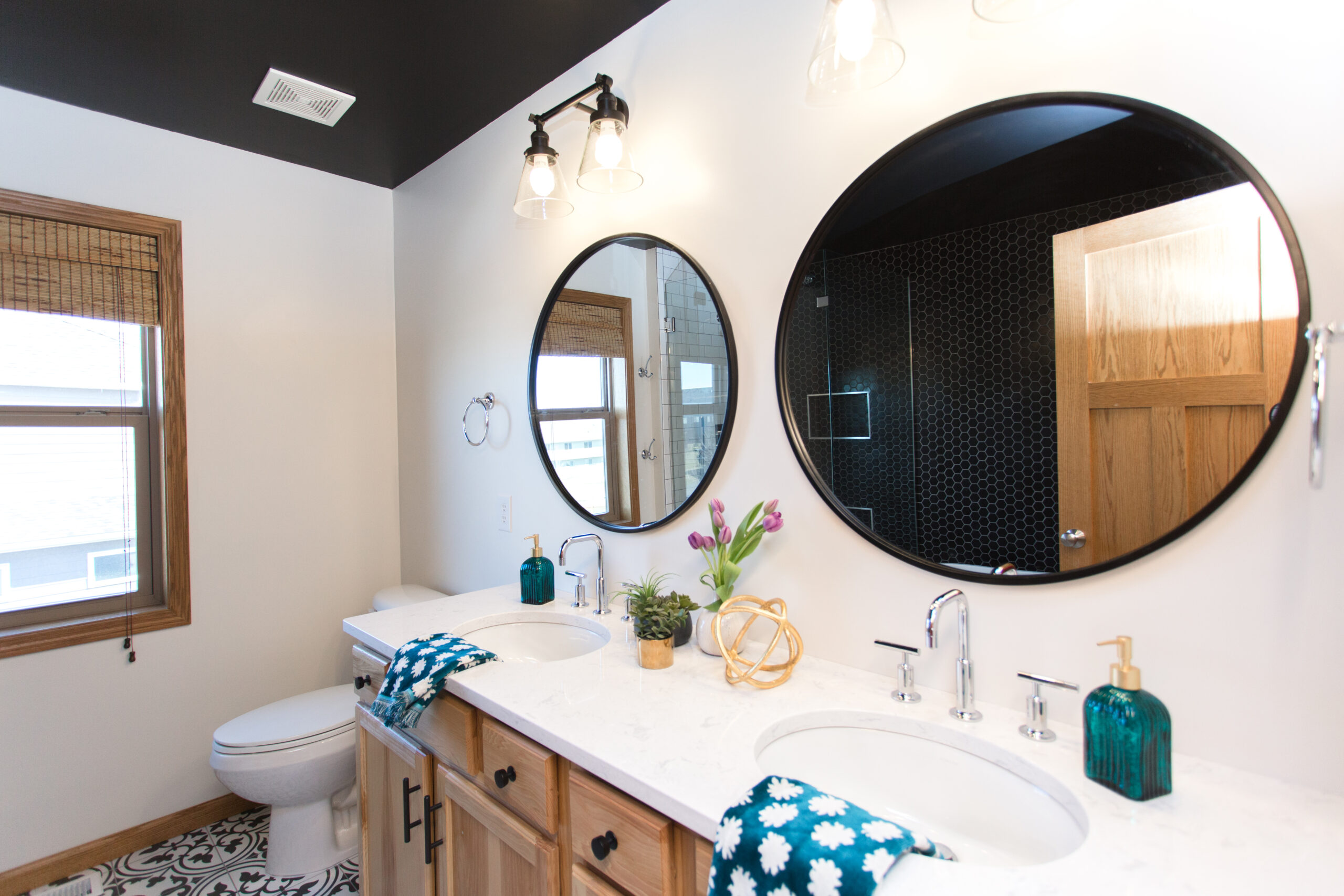
Blinds, however, are less expensive and don’t require too much time to install. Unlike curtains, blinds, unfortunately, don’t add much of an aesthetically value to the room or your decor overall, but they are very functional, which makes them perfect for laundry rooms and some kitchens and bathrooms.

If your space is decorated well and self-sufficient, blinds are the way to go because they won’t be distracting.
Whether you decide on blinds or curtains, remember the main things to take into account are the amount of light you are willing to allow into your space, the level of privacy you are looking to achieve, and the level of control you need over your indoor temperatures.
Blinds and curtains don’t have to be mutually exclusive. Moreover, when paired, they will create a beautiful look and will elevate the look due to beautiful layering.
Before you start considering color, length, width, and pattern, you have to answer a simple question: shall I go with blinds or curtains? And remember that blinds and curtains both bring benefits and carry disadvantages.